

As the Iran conflict stretches into its third week on 17 March 2026, the conflict’s economic shockwaves are beginning to affect distant markets, including the UK’s construction sector. Triggered by surprise airstrikes on 28 February targeting Iranian nuclear sites, military infrastructure, and leadership resulting in the death of Supreme Leader Ali Khamenei the war has seen relentless exchanges of missiles, drones, and precision strikes.
Iran has retaliated across the region, while disruptions to the Strait of Hormuz have halted much tanker traffic, driving sharp volatility in global energy prices. For the Department for Education’s ambitious £38 billion Education Estates Strategy and the ongoing School Rebuilding Programme, these developments introduce fresh cost pressures at a time when the sector is already grappling with inflation and supply challenges. In this article, School Building Magazine Editor Joe Bradbury explores the impact of the Iran conflict on school construction and the indirect but growing implications for school building projects across England.
The Strait of Hormuz, through which around 20% of the world’s oil and significant liquefied natural gas flows, has faced severe restrictions since early March. Tanker attacks, insurance surcharges, and near-standstill traffic have caused Brent crude to surge, briefly exceeding $100 per barrel with spikes of 20–40% from pre-conflict levels in some periods. Gas benchmarks have risen even more sharply.
Analysts warn that prolonged blockages could push prices toward extreme highs, though partial reopenings and naval efforts to secure routes provide limited relief. This energy turmoil directly feeds into higher production and transport costs worldwide, increasing concerns about Iran conflict construction costs and their potential impact on UK projects.
How the Iran Conflict Is Increasing UK Construction Costs
In the UK, the Iran conflict is adding further pressure to UK construction costs, amplifying existing challenges surrounding construction materials. Energy-intensive inputs such as steel, cement, concrete, bricks, aluminium, and plasterboard where energy can account for 20–40% of production costs are particularly vulnerable.
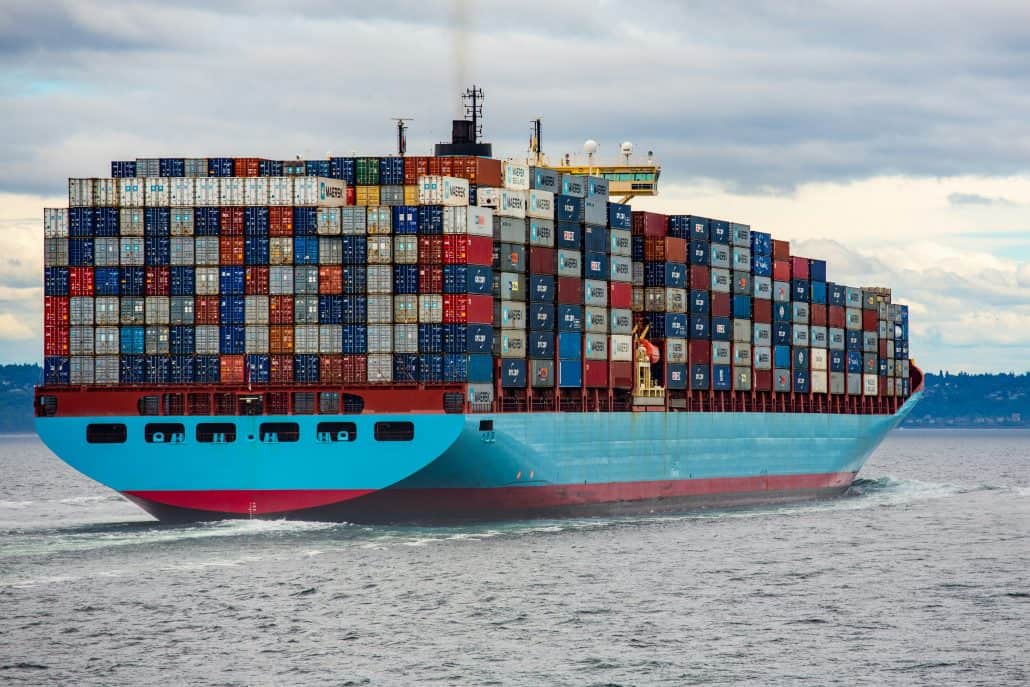
Logistics face extra strain from rerouted shipping, conflict-related fees, and delays, even for European or domestic supplies. Suppliers like Travis Perkins have flagged imminent price increases due to soaring energy and fuel bills, with road haulage costs hit hardest. Industry reports describe “shockwaves” rippling through the sector, as operational expenses climb and hopes for lower borrowing rates diminish amid resurgent inflation fears.
The wider Iran war impact on UK construction could therefore extend beyond immediate material prices, affecting transportation, procurement, project budgets and confidence across the sector.
Industry Warnings About Iran Conflict and Construction Costs
Leading voices are raising alarms. Glenigan’s economics director has highlighted how macroeconomic fallout could spiral costs and erode confidence in order books.
Housebuilders such as Berkeley Group and Persimmon note risks to market sentiment in a high-cost environment, with potential knock-on effects for buyer affordability and project viability. Manufacturers warn the sector remains on “fragile footing,” urging measures like expanded North Sea production to offset energy shocks.
These concerns echo broader warnings that prolonged disruption could translate into single to low double-digit percentage premiums on materials, adding further pressure to UK construction costs as the Iran conflict continues.
Impact of the Iran Conflict on UK School Construction
The impact of the Iran conflict on UK school construction will depend heavily on how long disruption to energy markets, shipping and material supply chains continues.
The UK’s school construction pipeline bolstered by the School Rebuilding Programme (now encompassing 519 projects) and frameworks like CF25 (£15.4 billion) benefits from public-sector stability and long-term commitments.
Prioritised elements, including RAAC removals (62 sites cleared to date) and urgent rebuilds targeting over 750 schools by 2034, are somewhat insulated by fixed elements in contracts and essential-status funding.
Modular and offsite techniques, gaining traction for their speed, lower disruption, and sustainability advantages, could further buffer projects by reducing reliance on energy-heavy onsite processes.

Potential Medium-Term Pressure on School Construction Costs
Should the conflict extend into months, however, sustained energy-driven inflation risks straining budgets for condition upgrades, retrofits, net-zero measures, and non-urgent works. Early 2026 data shows education project starts resilient (up 29% year-on-year), yet overall caution persists amid high costs.
While the DfE’s estates strategy emphasises supply-chain resilience, no targeted adjustments to the current crisis have been detailed. Contractors and trusts may need to adapt through diversified sourcing or accelerated modular adoption to maintain momentum.
If these pressures persist, rising construction costs for UK schools could increasingly influence procurement decisions, project specifications, budgets and delivery timescales.
In Summary
The sector’s response to rising UK construction costs linked to the Iran conflict will hinge on close monitoring and flexibility. Hedging against volatility, exploring alternative suppliers, and leveraging government frameworks offer practical paths forward. The situation highlights ongoing vulnerabilities in global chains for an industry already addressing skills gaps and ageing infrastructure.
Ultimately, the Iran conflict does not threaten to derail UK school construction entirely, thanks to prioritised public investment. A rapid de-escalation would curb fallout; extended disruption, however, could amplify headwinds and prompt value engineering or phased delivery. As the war’s path remains unpredictable, adaptive planning will be key to safeguarding the renewal of England’s education buildings amid these geopolitical uncertainties.